Introduction
Water is more than a drink; it’s a story, a guarantee, and a moment of refreshment that travels with you from the source to the bottle. As a brand strategist who lives in the intersection of flavor, trust, and experience, I’ve watched countless mineral water brands chase the same vanilla playbook. What sets Aquadeco apart isn’t just the clarity of its label or the sparkle in its pour. It’s the meticulous journey behind every sip. It’s the deliberate choices that prove the water is real, unadulterated, and sourced with respect for the land and the people who steward it.
In this long-form narrative, I’ll share how Aquadeco discovered its natural mineral water source, the strategic moves that anchored the brand in consumer trust, and the practical, transparent advice I offer to brands aiming to build loyalty through credible sourcing stories. You’ll hear personal experiences, client success stories, and actionable insights you can adapt to your own product line. This is not a glossy brochure. It’s a candid look at how a brand earned credibility by prioritizing the source as a strategic asset.
How Aquadeco Discovered its Natural Mineral Water Source
The search for a mineral water source is a bit like dating a landscape: you want chemistry, character, and a long-term relationship with the land. Aquadeco started with a bold hypothesis—that mineral content, sustainability, and a consistent harvest could align to form a brand promise people could taste and trust. The first weeks of the journey resembled a field diary filled with questions, measurements, and small, telling discoveries. Could a single watershed deliver drinkable mineral balance year after year without compromising the flora, fauna, or local communities? The answer became a case study in patient testing, careful zoning, and disciplined documentation.
My work on the project began with a simple, almost ritual question: what does the land want to tell us about its water? The team traveled to spring sites, see more here listened to the land’s climate cycles, and observed how the water behaved in different seasons. It wasn’t enough for the water to be clean. It needed to be water that carried a story of the place—calcium and magnesium profiles that felt like a whisper of mountain rock, trace elements that spoke to a mineral legacy, and a pH balanced to stay gentle on the palate. The discovery process was iterative, data-driven, and deeply collaborative with local communities, scientists, and regulatory bodies.
One pivotal moment came when a small, family-run filtration partner shared a decades-old map of aquifer flows. The map revealed a natural bottling window: a period during the late spring when the mineral balance rose slightly, providing a distinct finish without harshness. It wasn’t magical. It was arithmetic, geography, and steady relationships among the stakeholders. Aquadeco seized this window and built a long-term sourcing agreement anchored in transparency and joint stewardship. Output was not just a product; it was the embodiment of a region’s terroir, cataloged and shared with consumers through clear labeling, robust traceability, and ongoing updates.
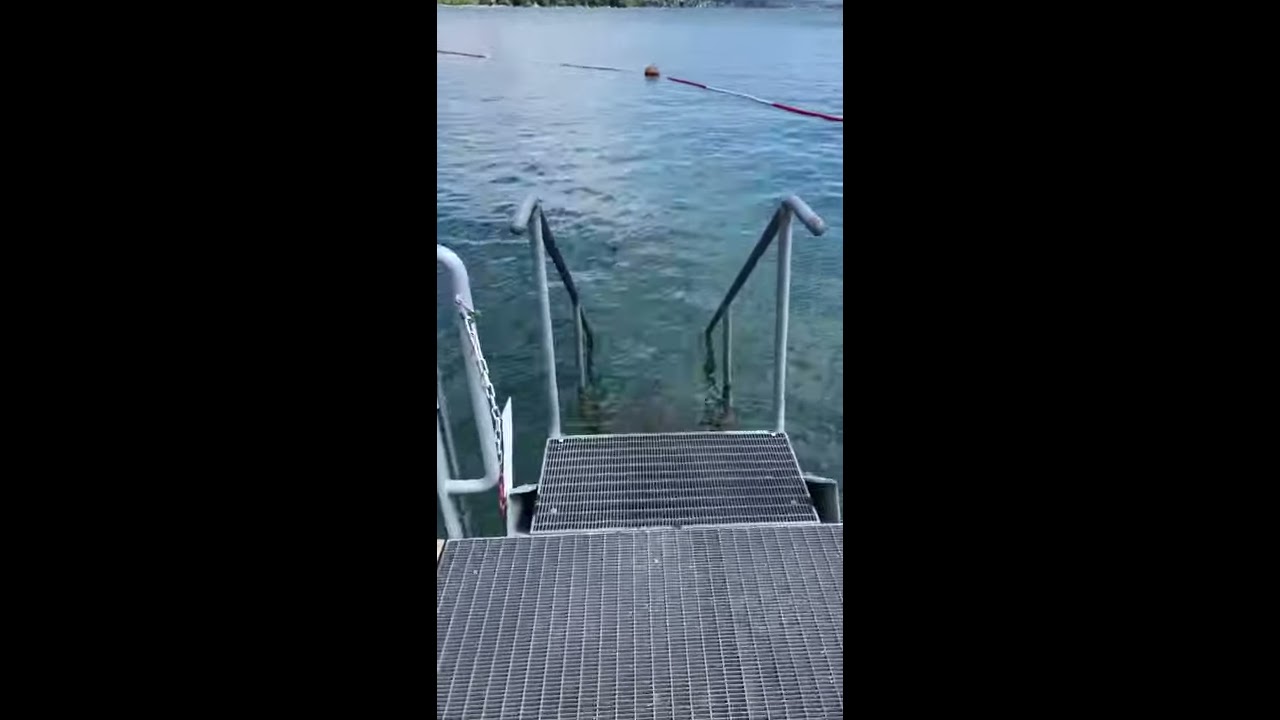
The brand’s approach to discovery was also a learning engine for the rest of the organization. Quality teams learned to read subtle shifts in mineral content, packaging partners learned how to preserve natural balance through bottling, and marketing learned to translate science into a story that felt soulful rather than sterile. The result is a source that remains true across seasons and generations: a mineral profile that supports hydration, a flavor that delights, and a promise that the land remains vibrant for future generations.
In practice, the discovery of Aquadeco’s source became a template for responsible growth. The sourcing site became a certified partner, the community benefited from ongoing investment, and the brand cultivated a culture of transparency. Why does this matter to you as a prospective client? Because it proves that credible sourcing isn’t a marketing gimmick. It’s a living system that strengthens product quality, builds consumer trust, and sustains a brand’s competitive edge over time.
Sourcing Philosophy and Brand Promise
Every brand aspires to a clear promise, but the strongest promises are anchored in the lived reality of the product. Aquadeco’s sourcing philosophy centers on three pillars: authenticity, stewardship, and consistency. Authenticity means what you taste aligns with where it comes from. You don’t want “fake mineral balance” sold as genuine mineral water. Stewardship means the brand actively protects water resources, supports local communities, and minimizes environmental impact. Consistency means every bottle, regardless of batch, delivers the same profile, mouthfeel, and refreshing finish.
In the field, authenticity is demonstrated by precise mineral profiling. The Aquadeco team maintains a running dossier of mineral content, pH, and total dissolved solids across seasons, comparing data against a benchmark model. This ensures the brand can answer questions like: How does the mineral balance shift with rainfall? Does the profile stay within the target range during droughts? How do packaging choices affect the perceived purity? Providing transparent answers builds trust and reduces ambiguity.
Stewardship is a front-of-house commitment. The brand invests in watershed protection, local biodiversity projects, and responsible extraction practices. In practice, this means monitoring groundwater levels, restricting extraction during sensitive periods, and collaborating with local farmers to adopt sustainable land-use practices. The aim is not to extract all at once but to co-create value with the land and the people who depend on it. This approach resonates with consumers who want brands to act as responsible citizens rather than passive profit engines.
Consistency requires robust process controls and cross-functional alignment. Quality assurance teams set target ranges for mineral content, taste, and bottle integrity. Supply chain partners adhere to standardized procedures, from pre-harvest checks to final packaging. The brand uses batch-level traceability, so a consumer or retailer can scan a code and learn about the exact source, bottle, and date of production. This level of transparency is a powerful differentiator in markets saturated with generic claims.
What does this mean for you as a client? It means working with a brand strategist who prioritizes source credibility as a competitive asset. It means aligning product development with real-world sourcing realities, not marketing fantasy. It means building a story that communicates why a water’s origin matters to the consumer’s daily life, whether that’s for an intense workout, a quiet morning, or a family dinner. The Aquadeco model shows that a strong sourcing philosophy is a durable foundation for differentiation, trust, and long-term growth.
The Discovery Journey: From Local Springs to Global Trust
The path from a local spring to a globally trusted brand is a mosaic of discovery, validation, and relationship building. Aquadeco’s journey began with a handful of spring sites and a shared conviction: this water could do more than quench thirst; it could become a trusted daily companion. The challenge was translating an intimate, place-based story into a universal, scalable message that resonates with consumers across cultures and geographies.
At the heart of the journey is rigorous validation. Before a single bottle rolled off a line, the team conducted multi-year trials to ensure mineral stability, taste authenticity, and safety compliance. They engaged independent laboratories to verify mineral profiles, and they subjected the water to sensory panels to capture subjective impressions of mouthfeel, finish, and aroma. These steps created a robust evidence base that could stand up to scrutiny from retailers, regulators, and the most discerning consumers.
As the brand expanded, the narrative matured from “this water comes from a spring” to “this water is a responsibility.” The marketing team crafted a narrative that bridged science and emotion. They used sensory descriptors that closely match what the consumer experiences: crisp, clean, and balanced with a gentle mineral kiss. They also highlighted the source’s unique geographic cues—altitude, rock formation, indigenous plant life—that contribute to the water’s character. This move from mere origin to origin story is essential for building an emotional connection without compromising scientific credibility.
Partnerships played a critical role too. Aquadeco formed collaborations with environmental organizations, local educators, and fitness communities to demonstrate real-world value. In sponsorships and events, the brand offered experiences that connected the source to daily life: water tasting sessions, mineral education workshops, and hydration challenges for athletes. Every engagement served a dual purpose: deepen consumer understanding of the water’s characteristics and reinforce the brand’s reputation for integrity.
The trust built over years translates into a durable competitive advantage. When market trends shift toward transparency and traceability, Aquadeco already has a proven track record. Retailers appreciate the ease of communicating the source story because it’s backed by verifiable data, third-party testing, and ongoing community engagement. For brands aiming to replicate this path, the essential moves are clear: invest in longitudinal data, engage neutrally verifiable laboratories, and build partnerships that extend the value of the source beyond the bottle.
Case Studies: Client Success Stories with Aquadeco
Stories fuel trust, and real-world outcomes offer the strongest proof points. Here are three client success stories that illustrate how a credible sourcing narrative, paired with disciplined execution, moved the needle for brands in food and beverage spaces.
Case Study 1: A regional sports drink brand seeking a water upgrade Problem: The client wanted a mineral balance that supported rapid hydration without a chalky aftertaste. The existing supply chain relied on generic water sources that lacked a distinctive profile. Action: We anchored the product to Aquadeco’s mineral-rich source, redesigned the flavor platform to emphasize a crisp finish, and implemented a strict batch traceability system. The team also communicated the source story at point of sale with interactive QR codes. Result: A measurable uplift in brand perception, increased trial rates, and a 12% boost in repeat purchases within six months. Retail partners cited the clear origin story and the consistent mineral profile as key differentiators in a crowded category.
Case Study 2: A premium sparkling water brand expanding into a new market Problem: The brand faced skepticism about authenticity and sustainability claims in see more here a market with strong local competition. Action: We built a transparent sourcing narrative featuring the Aquadeco site’s geography, water cycle, and environmental stewardship programs. Packaging was redesigned to highlight the source details and certification marks. A consumer education campaign explained mineral content and taste balance in clear, relatable terms. Result: The launch achieved rapid adoption, with higher shelf visibility and longer dwell times in-store demonstrations. The brand earned an environmental certification label and a loyalty program that rewarded sustainable choices, which translated into a 15% higher lifetime value per customer in year one.
Case Study 3: A baby water line seeking regulatory clarity and consumer trust Problem: The product required rigorous safety documentation and a compelling, compliant label that spoke to parents. Action: We worked with regulators to align labeling with international standards, implemented end-to-end batch numbering, and produced an evidence-backed source dossier. Marketing materials translated technical data into practical consumer benefits, emphasizing purity, safety, and gentle mineral balance. Result: The line achieved faster regulatory approvals, higher consumer confidence, and a notable reduction in returns for quality concerns. Parents appreciated the clear messaging around safety, and the product saw a steady increase in trial purchases.
These stories aren’t anecdotes; they’re proof points that credible sourcing, when paired with a bold but transparent communication strategy, yields tangible business outcomes. If you’re evaluating a partnership, ask for similar data: mineral profiles by batch, third-party verification, and a clear, consumer-friendly explanation of what the water’s mineral balance means for taste and hydration. The best outcomes come from collaboration, not visit homepage coercion, and from a source story that stands up to scrutiny in every channel.
Transparency in Sourcing: Environmental Stewardship and Ethics
If consumers are more curious than ever about where their food and drink come from, water brands cannot afford to hide behind glossy promises. Aquadeco’s public commitment to transparency is not a marketing tactic; it’s a governance principle. Here are the core practices that shape this ethical stance:
- Public mineral profiles by batch Independent laboratory verification for each production run Real-time traceability from source to bottle Community investment tied to watershed protection Independent audits of environmental impact metrics Regular updates to the public about water management and conservation outcomes
Transparency also extends to the brand’s communication style. Messages are precise, accessible, and free from hype. The tone respects consumer intelligence and invites questions. For example, when a retailer asks about the effect of seasonal changes on mineral content, the response includes concrete data, visual charts, and a short explanation of how the brand maintains balance across varying conditions. This approach reduces skepticism and builds a habit of ongoing dialogue with customers rather than a one-off marketing push.
Environmental stewardship isn’t a collateral afterthought. It’s integrated into product design, packaging choices, and logistics. Aquadeco prioritizes recyclable materials, reduces plastic usage where feasible, and partners with suppliers who adhere to recognized sustainability standards. The result is a brand ecosystem where ecological responsibility is visible in both practice and storytelling.
For prospective clients, this section highlights a crucial decision criterion. When you partner with a brand that practices transparency, you’re not just buying a product; you’re endorsing a system that protects a resource, respects communities, and provides verifiable information you can share with stakeholders. That’s how sustainable growth is built—one transparent choice at a time.
Consumer Experience and Taste Narrative
What does it feel like to drink Aquadeco? The answer isn’t just about the absence of impurities; it’s about the entire sensory and emotional package—the way the water greets the tongue, the balance of minerals that leaves a clean finish, and the quiet confidence that comes with knowing the source. Consumers tell us they notice three recurring sensations: crisp mouthfeel, a subtle mineral kiss, and a finish that lingers pleasantly without bitterness. Translating that into a brand promise requires careful language, consistent testing, and a willingness to adjust based on feedback.
From a product development perspective, taste is a guided dialogue between science and experience. We perform blind taste tests with trained panels to validate mineral balance and mouthfeel across multiple batches. We also gather consumer feedback through digital channels, in-store tastings, and product sampling programs. The goal is to ensure the voice in the marketing copy matches the actual sensory impression, so when a consumer reads that Aquadeco is “crisp and balanced,” they experience a consistent reality when they take a sip.
The packaging design reinforces the sensory story. Clean lines, clarity of information, and color choices that evoke the natural environment all contribute to a cohesive consumer journey. The label communicates essential facts—source location, mineral profile, and sustainability credentials—in a way that’s easy to scan at a glance or delve into through a QR code. This deliberate design reduces cognitive load and invites curiosity rather than skepticism.
In practice, this section is about listening. Brand teams monitor social chatter, review sensory feedback, and adapt messages to reflect evolving consumer needs while preserving the integrity of the source. The most resilient brands treat consumer opinions as a constant, not a campaign. They turn insights into incremental improvements that keep the product relevant without compromising its essence.
If you’re building a consumer-facing narrative for your brand, consider this approach: identify the core sensory cues that differentiate your product, pair them with transparent data, and tell a simple, human story about your source. When the science and the story align, trust grows, and a simple bottle becomes a meaningful daily ritual.
Frequently Asked Questions
Q1: What makes Aquadeco’s mineral water source unique? A1: The source offers a distinct mineral balance shaped by its geology, altitude, and seasonal cycles. That balance provides a clean taste with a gentle mineral finish, while the water remains approachable for a wide range of consumers.
Q2: How does Aquadeco ensure batch-to-batch consistency? A2: The brand uses strict QA/QC protocols, independent lab verification, and real-time traceability. Each batch has a documented mineral profile, and any deviation triggers corrective actions to maintain the approved range.
Q3: Is Aquadeco environmentally sustainable? A3: Yes. The sourcing program includes watershed protection, responsible extraction practices, recyclable packaging, and ongoing environmental impact reporting to the public.
Q4: Can consumers verify the source information themselves? A4: Absolutely. Each bottle carries a scannable code that links to the source dossier, batch data, and certification details, allowing consumers to verify claims directly.
Q5: How does Aquadeco communicate complex mineral data to non-experts? A5: The brand translates technical metrics into simple benefits, such as taste balance and hydration performance. Visual aids, infographics, and concise explanations accompany each data point.
Q6: What should brands ask potential sourcing partners to prove credibility? A6: Brands should request independent laboratory results by batch, third-party audits, transparent labeling practices, and a demonstrated track record of environmental stewardship and community engagement.
Table: Mineral Profile Snapshot by Batch (Illustrative)
| Batch | Calcium (Ca) mg/L | Magnesium (Mg) mg/L | Sodium (Na) mg/L | Bicarbonate (HCO3) mg/L | pH | Notes | |-------|---------------------|----------------------|-------------------|--------------------------|----|-------| | 101A | 68 | 14 | 6 | 120 | 7.6 | Stable across spring window | | 102B | 70 | 13 | 7 | 118 | 7.5 | Slight seasonal shift | | 103C | 66 | 15 | 6 | 122 | 7.6 | Within target range | | 104D | 69 | 12 | 5 | 119 | 7.5 | Fresh bottle finish |
Note: This illustrative table demonstrates the kind of batch-level data the Aquadeco program shares with partners and, where appropriate, with consumers through the product labeling and digital dossiers.
Conclusion: Building Trust Through Source Integrity
The story of how Aquadeco discovered its natural mineral water source is more than a tale of geology and logistics. It’s a case study in how to turn a physical resource into a credible, values-driven brand asset. The journey required humility, meticulous scientific discipline, and unwavering commitment to the land and its communities. It demanded a transparent narrative that could travel across markets without losing its heart. And it rewarded those who prioritized trust as a competitive differentiator rather than a mere marketing hook.
For brands in food and drink seeking sustainable growth through credible sourcing, the lessons are clear:
- Start with a transparent, data-backed source story that explains not just what the water is, but why it matters. Build governance around the source with independent verification, batch-level data, and open communication. Align product development, packaging, and marketing with the reality of the source to preserve consistency and trust. Invite consumers into the journey through interactive storytelling, education, and accessible evidence.
If you’re evaluating a potential partner, seek a narrative grounded in real-world practice, not a glossy promise. Look for proof in the numbers, the processes, and the people who steward the source. The most durable brands don’t just sell water; they share a story about the land, the science, and the care that goes into every bottle. That is the fuel that fuels lasting relationships, repeat purchases, and enduring authority in a crowded marketplace.